Instructions for Determining the Most Suitable Fish Filleting Knife for Your Needs
Choosing the proper fish filleting knife requires thoughtful consideration. Different types of knives address various needs. Elements like blade flexibility, length, and handle design play important roles in performance. Knowing these factors can help make better choices. Still, with so many options at hand, picking the best fit might feel daunting. Which key features should be prioritized to enhance the filleting experience?
Understanding the Different Types of Filleting Knives
Filleting knives appear in various types, each built to fulfill specific requirements in preparing fish. The most common types contain flexible, stiff, and electric filleting knives. Flexible knives are excellent for tender fish, facilitating smooth, precise cuts along the bone. Stiff knives, by contrast, provide more control and leverage, making them suitable for larger fish. Electric filleting knives provide speed and efficiency results, notably helpful for those who regularly prepare large quantities of fish.
Furthermore, there are purpose-built blades for specific species, such as salmon or trout, which display distinctive cutting edges. The choice of material also differs, with stainless steel being the most popular due to its anti-corrosion qualities and straightforward care. Recognizing these distinctions allows individuals to select the right knife suited for their particular filleting requirements, ensuring a more productive and enjoyable fish preparation undertaking.
Important Qualities to Evaluate in a Filleting Knife
A superior boning knife is necessary for delivering accurate and efficient cuts when preparing fish. When selecting a fish knife, numerous vital features should be assessed. First, the blade's pliability is crucial; a highly flexible blade allows for smoother maneuvering around bones and contours. The ideal blade length typically ranges from 6 to 9 inches, serving for various fish sizes.
Ergonomic considerations also play a crucial function; a comfortable handle provides superior control and decreases hand fatigue during lengthy use. A non-slip grip is notably useful for preserving safety in wet conditions.
Moreover, the knife should possess a sharp edge that can be readily upkept, as a sharp blade minimizes effort and maximizes precision. Lastly, think about the weight; a well-balanced knife improves grip, making the filleting process more effective. Each of these characteristics contributes to the overall performance and usability of a filleting knife.
The Manner in Which Different Materials Determine Filleting Knife Efficiency
The effectiveness of a fish fillet knife is significantly affected by the substances employed in both the blade and handle. Various cutting substances, such as stainless steel or high-carbon steel, provide varying levels of sharpness and durability, while handle comfort can impact user precision during filleting. Additionally, rust resistance is crucial for preserving the knife's durability in damp environments.
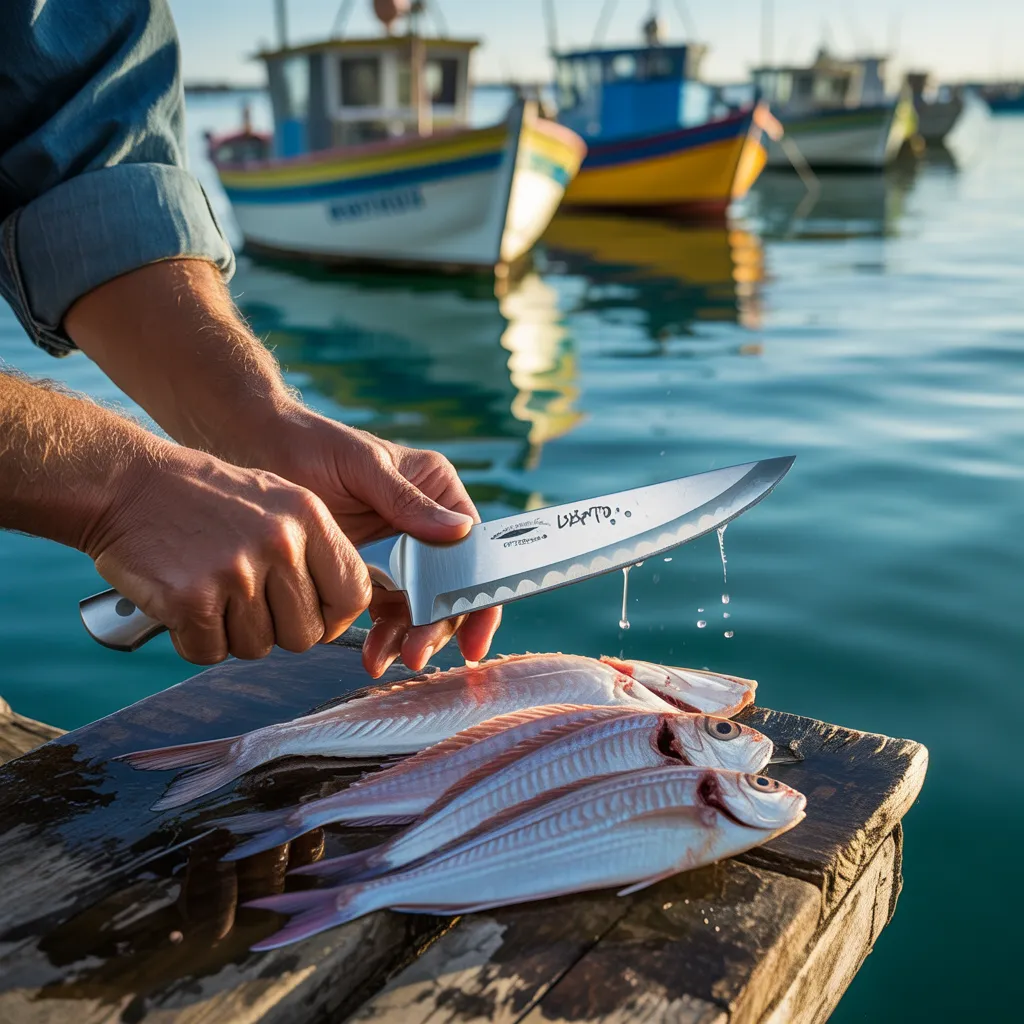
Blade Varieties of Composition
Selecting the appropriate blade material is crucial for enhancing a filleting knife's performance. Popular materials comprise stainless steel, carbon steel, and ceramic, each offering distinct advantages. Stainless steel is popular for its anti-rust properties and low maintenance requirements, making it ideal for both freshwater and saltwater environments. Carbon steel, while demanding more care to prevent rust, is celebrated for its cutting edge and blade durability, which is vital for accurate filleting. Ceramic blades, although uncommon, deliver exceptional sharpness and hardness but can be brittle, making them less suitable for tougher fish. In the end, the selection of blade material influences longevity, maintenance, and the general performance of filleting, impacting the user's experience markedly.
Control Comfort Parameters
The blade material substantially affects a filleting knife's effectiveness, yet the handle's comfort must not be overlooked. The choice of handle material significantly impacts user experience during extended filleting sessions. Ergonomic designs facilitate a secure grip, alleviating fatigue and enhancing precision. Common materials include wood, plastic, and rubber.
Wood provides a timeless quality but may lose grip when wet. Plastic is lightweight and simple to clean, but it may not supply the same hands-on sensation. Rubber, conversely, specializes in creating a non-slip grip, essential for managing slippery fish. Ultimately, a pleasant grip facilitates superior control, making it a critical consideration in picking the right filleting knife for both amateur and professional fishers.
Corrosion Resistance Considerations
Rust resistance represents an important aspect that significantly shapes the performance and durability of a fish filleting knife. Knives crafted from stainless steel, for instance, deliver exceptional resistance against rust and corrosion, positioning them as appropriate for frequent use in wet environments. High-carbon steel, despite being sharper and simpler to sharpen, proves more susceptible to corrosion and demands ongoing maintenance. Furthermore, treatments including titanium or ceramic can boost corrosion protection, supplying a safeguarding layer against moisture and acids present in fish. Users should evaluate their individual requirements and maintenance preferences when selecting materials, as the decision between strength and maintenance simplicity can significantly impact the knife's overall usefulness and lifespan.
Why Blade Suppleness Is Essential for Filleting Fish
A flexible blade is essential for efficient fish filleting, as it enables for precise movements along the contours of the fish. This adaptability enables the knife to move smoothly between the skin and flesh, ensuring clean, even cuts. A blade with the right amount of flexibility gives the user with better control, allowing for intricate maneuvers around bones and fins without harming the meat. Different fish species require varying degrees of flexibility; for example, delicate fish like sole benefit from a more pliable blade, while sturdier fish may require a stiffer option. Additionally, the flexibility of the blade can reduce the risk of tearing or tearing the flesh, which is vital for presentation and quality. Ultimately, selecting a knife with appropriate blade flexibility can greatly improve the efficiency and effectiveness of the filleting process, resulting in superior fillets and a more enjoyable experience for the user.
Selecting the Optimal Handle Style for Ease and Control
When selecting a fish filleting knife, the grip design greatly influences both comfort and control. Properly designed ergonomic handles can enhance grip and reduce fatigue, while the material choice impacts how firmly the operator can hold the knife. Understanding these factors is essential for achieving peak performance during fillet preparation.
Well-Designed Handle Forms
Picking the correct comfort-oriented handle form is essential for reaching relaxation and command while filleting fish. A well-constructed handle can significantly reduce hand fatigue during extended use. Curved or contoured shapes typically provide a natural grip, enabling greater maneuverability and precision. Some handles incorporate finger grooves or textured surfaces, boosting grip stability, which is vital when handling slippery fish. Additionally, the size of the handle should suit the user's hand for optimal control; a handle that is too large or too small can compromise performance. Ultimately, the best ergonomic handle shape will respond to individual preferences, ensuring a balance between comfort and functionality while filleting. This consideration has a crucial impact on the overall efficiency of the filleting process.
Material Influence on Grip
The choice of substance for a fish filleting knife handle influences grip and comfort. Materials such as wood, plastic, and rubber each offer advantages that are distinct. Wooden handles provide a traditional feel and can be comfortable to hold but may require more maintenance to prevent moisture absorption. Plastic handles are lightweight and often textured for better hold, making them suitable for wet conditions. Rubber handles tend to excel in providing a non-slip surface, enhancing safety during cutting tasks. Additionally, the finish of the handle material plays a key role in user comfort; a smooth finish may feel comfortable initially but could become slippery when wet. Ultimately, selecting the right material can greatly impact the efficiency and enjoyment of the filleting process.
Best Filleting Knives for Every Budget
A well-picked filleting knife can improve the effectiveness and pleasure of fish preparation. For cost-minded buyers, the Rapala Fish'n Fillet Knife emerges as an excellent choice. With a price near $20, it features a flexible blade that is perfect for a range of fish sizes.
Positioned in the mid-range segment, the Dexter-Russell Sani-Safe Fillet Knife, priced at around $50, offers a balance of durability and quality, showcasing a comfortable grip and a dependable stainless steel knife edge.
In the higher end, the Wüsthof Classic Fillet Knife comes suggested for serious enthusiasts. Priced around $150, this knife presents a expertly crafted blade and an ergonomic handle, ensuring exceptional performance and longevity.
These options support different budgets while preserving essential qualities for effective fish preparation, making them appropriate choices for view details both novices and seasoned anglers.
Maintenance Pointers for Keeping Your Filleting Knife in Prime Shape
Purchasing a quality filleting knife is only the start; proper maintenance is necessary to ensure peak performance and long life. It is essential to clean it regularly; after every use, wash the blade with warm, soapy water and dry it immediately to avoid rust. Do not put the knife in a dishwasher because the hot temperatures and detergents can deteriorate the handle and blade.
Preserving your knife's edge requires regular sharpening, which is vital for optimal results. A sharpening stone or steel rod will help ensure the blade stays sharp and improves your filleting efficiency. Before each fishing trip, hone the knife to achieve peak performance.
Storing the knife properly also contributes to its longevity. A protective cover or roll can avoid accidental damage. Finally, regular inspections for any signs of use or damage can help resolve issues early, ensuring the knife remains a dependable tool for years to come.
Common Inquiries Asked Often
May I Use a Fish Fillet Knife to Other Varieties of Meat?
Yes, a fillet knife can be applied for other varieties of meat, though its flexibility and thin blade may not be perfect. Chefs often select specialized knives for different meats to assure peak performance.
How Often Should I Hone My Filleting Knife?
A fillet knife should be sharpened regularly, ideally after every few applications. This guarantees optimal performance and precision during filleting. Maintaining the edge prolongs the knife's lifespan and enhances the overall filleting experience.
Are Electric Filleting Knives Worth the Investment?
Electric filleting knives can be worthwhile for your budget for those who consistently cook fish, offering quick results. However, standard blades may give improved precision and control, meeting diverse preferences among fishers and chefs.
What Is the Best Way to Store My Filleting Knife?
The most effective approach to store a filleting knife is in a protective case or magnetic rack. This stops blade damage and holds it readily available. Additionally, a specific compartment or knife block can help maintain organization and security.
Can I Customize My Filleting Knife's Grip?
Yes, a filleting knife's handle can often be customized. Many makers provide options for various materials and styles, enabling customers to improve ease, grip, and individual preference while boosting the general filleting experience.